The Ainu Maori Exchange Program Story
In January 2012, a Maori leader, Te Ururoa Flavell visited Ainumosir (Hokkaido) and Tokyo and witnessed the work Ainu people are doing in their communities to revitalize their culture, language, and rights. He immediately suggested that Ainu youth come to Aoteroa (New Zealand) to see how Maori community members have been working to ensure cultural survival.Immediately, the Aotearo-Ainumosir Exchange Program Committee to seek out participants. After a rigourous interview process, we chose 7 Ainu youth to go on the exchange starting end January for 5 weeks. Once they reach Aotearoa, they will study, experientialy, about the various ambitious endeavors of Maori people who have successfully revitalized their rights as indigenous people while living with strength in the society of New Zealand.
Their Struggle
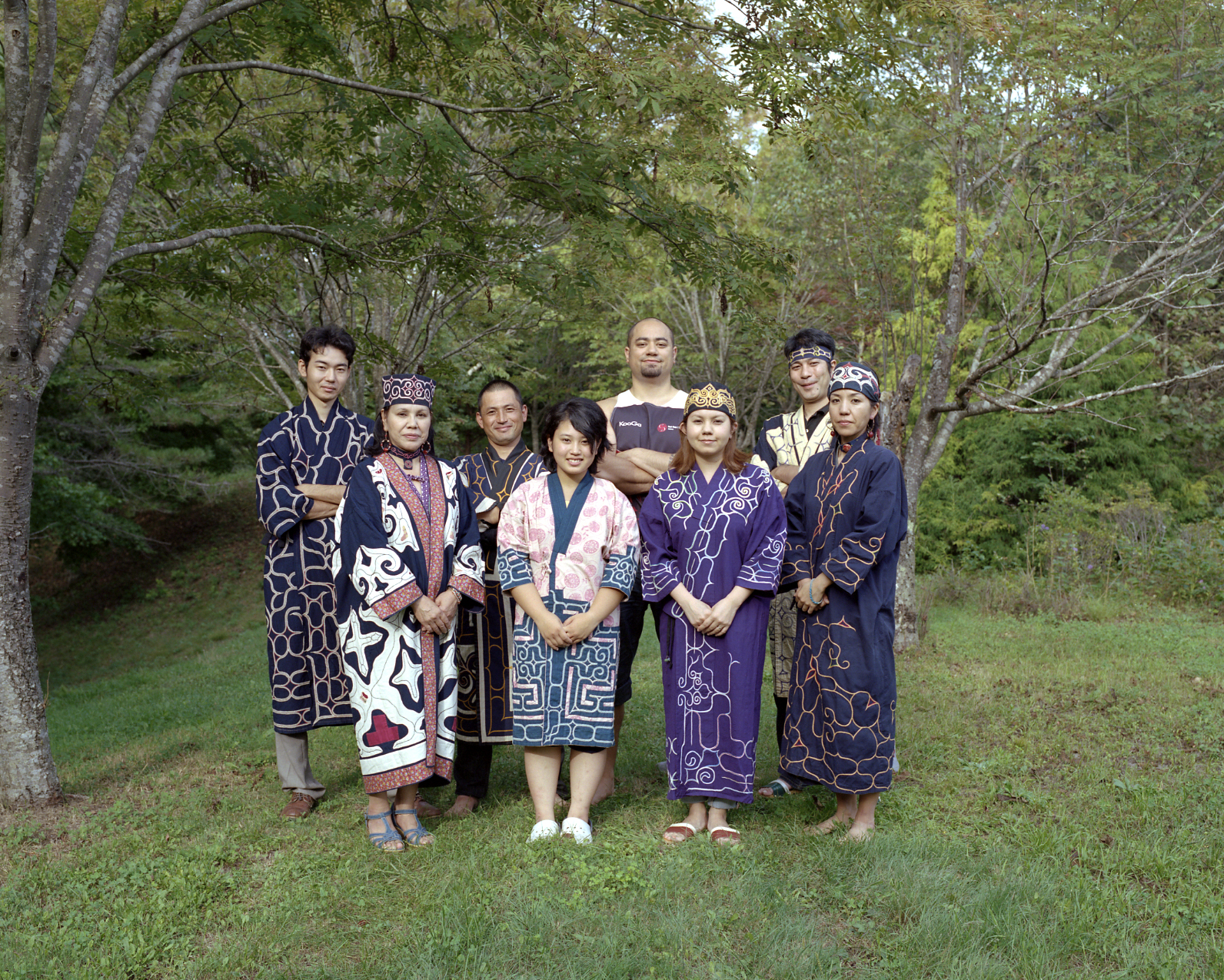
The situation the Ainu people find themselves in Japan, while similar in many ways, is also very different from that of the Maori people. The Ainu were just recognized as the indigenous people of Japan in 2008 and the Japanese government has only just starting to draft proposals for Ainu policies. In New Zealand, the Maori have been successful in their tireless work to advance the revitalization of their rights as indigenous people since the 1970s. Furthermore, the Maori people are contributing significantly to the development of New Zealand society in all of fields, whether economic, social, cultural, or political. The Maori language is an official language along with English.
It is certain that through this exchange program Ainu participants will gain enormous encouragement from their Maori counterparts who are making great strides in society while maintaining their culture and values as indigenous people.
It will be an opportunity for young Ainu people in search of their Ainu identity to take their first steps on the Ainu path. Due to anxiety about deeply rooted discrimination which pervades society, or the inability for people to discover meaning in being Ainu, there are still many people who have yet to assert their Ainu identity. According to a Hokkaido Prefecture survey there are about 24000 Ainu people, however in reality there are several times more Ainu people than that figure leads us to believe. Out of the 5,000 to 10,000 Ainu people living in the Tokyo metropolitan area alone, only around 100 of them are active as Ainu.
What They Need & What You Get
They are sending 7 Ainu youth, 3 Ainu comittee members and 3 interpreters for 5 weeks from January 20th to February 22nd, 2013. The Maori will graciously cover the majority of food, transportation, and lodging, but they need to raise money for:-the remainder of airplane tickets & travel insurance
-daily expenses in Aotearoa
-costs for holding reporting sessions and publishing reports
-funds to ensure we can continue the exchange in the future
They are now running this as a Flexible Funding Campaign on Indiegogo here.
All funds received, no matter how much, will go to the Aotearoa-Ainumosir Exchange Program and used to fund Ainu youth exchange trips.
They have unique perks all made by Ainu to offer to you. Contributions over $50 (including overseas shipping costs) receive a beautiful woodblock print or T-shirt made by Ainu Artist Koji Yuuki specially for this programme as a token of our appreciation.
AINU JAW HARP MUKKURI $25
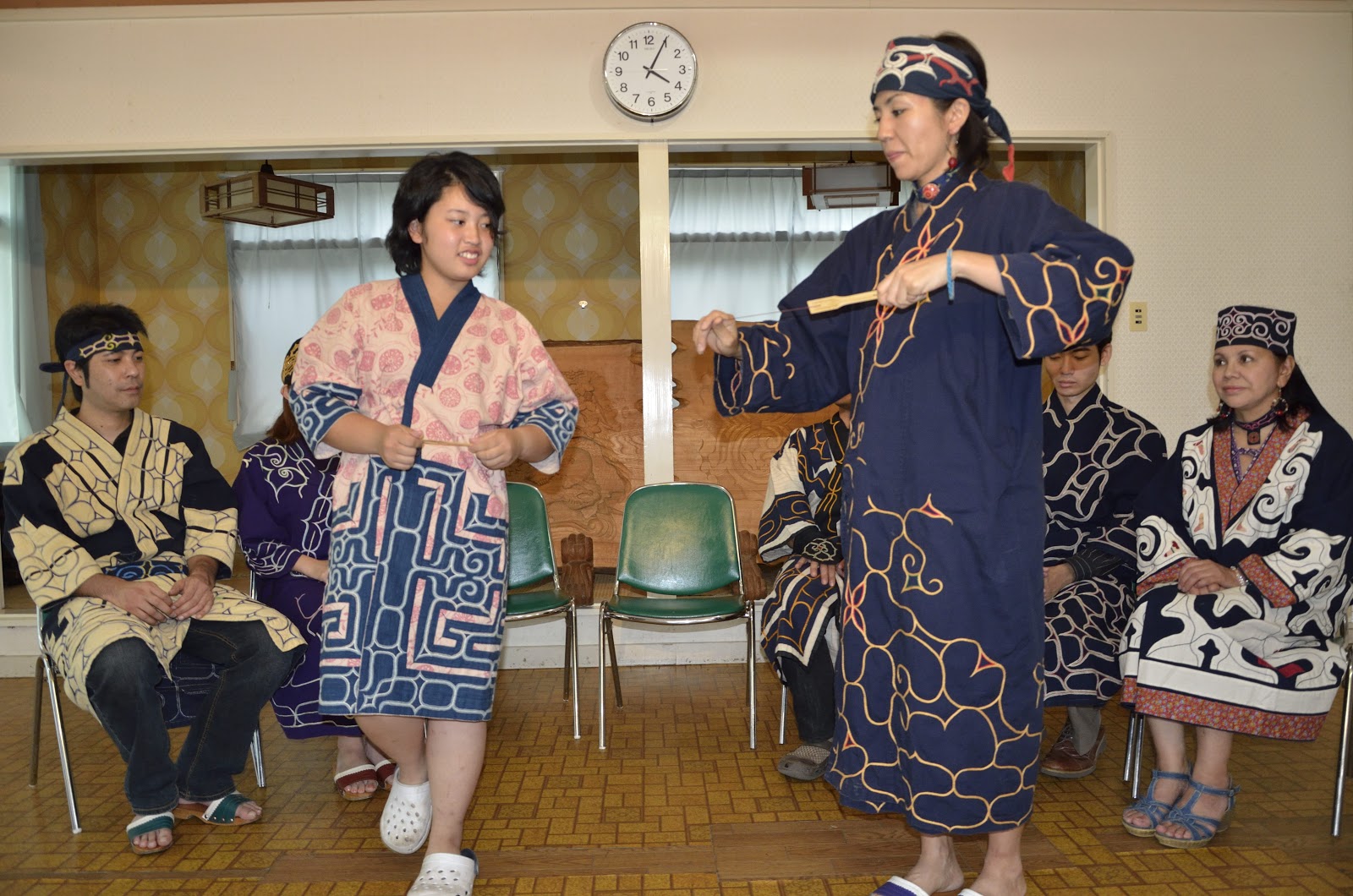
ORIGINAL PROGRAM T-SHIRT IN BLACK OR WHITE (ALL ADULT SIZES) $50
AINU WOODBLOCK PRINT (SMALL) BY KOJI YUKI (PHOTO UNAVAILABLE) $100
AINU WOODBLOCK PRINT (LARGE) BY KOJI YUKI (PICTURED BELOW) $400

The Impact
Seeing with our own eyes the endeavors of our indigenous Maori brothers and sisters, coming in contact with their passion, touching it with our own hands, feeling it with all of our senses, will surely inspire us to come to terms with our sense of Ainu identity which some of us are still grasping for in the dark. We sincerely hope that this exchange will give us an opportunity to become aware, to see with brand new eyes, the deepness of the traditions that our tipuna (Maori word meaning ancestor(s)) have left for us.
Participants in this program will become even more aware of the significance of being Ainu, and if they are able to stand firmly in their decision to travel on the Ainu path, they will be able to make important strides for a new future for the Ainu people. At the same time, we believe it will create an opportunity for Japanese society to become more a fair society- one that respects a diversity of values.
We do not intend to have this program available only for this year, but rather, we hope to make this a mutually-beneficial exchange that lasts long in the future, where we not only send Ainu to New Zealand, but also have Maori people visit us where we live, further solidifying the bonds between the Ainu and Maori people.
Other Ways You Can Help
For those who prefer to make a money transfer within Japan:
●Individual contributions accepted from 1000yen in increments of 1000 yen
●Organizational/Corporate contributions in increments of 10,000 yen
●Donation method- Bank Transfer Deposit:
Mitsubishi Tokyo UFJ Bank Hashimoto Branch
(Ordinary) 0526312
Aotearoa Ainumosiri koryu puroguramu jikkouiinnkai
Postal Transfer: 0022-7-54530 Aotearoa Ainumosiri koryu puroguramu jikkouiinnkai
●Organizational/Corporate contributions in increments of 10,000 yen
●Donation method- Bank Transfer Deposit:
Mitsubishi Tokyo UFJ Bank Hashimoto Branch
(Ordinary) 0526312
Aotearoa Ainumosiri koryu puroguramu jikkouiinnkai
Postal Transfer: 0022-7-54530 Aotearoa Ainumosiri koryu puroguramu jikkouiinnkai


